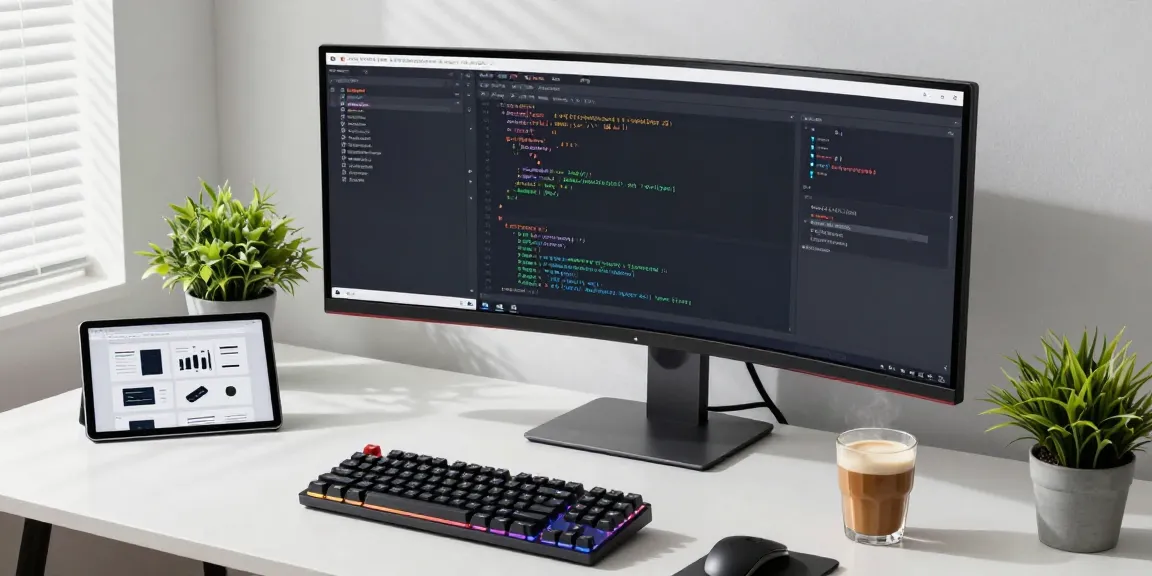
In today’s fast-paced environment, having an optimized workspace is essential for productivity, creativity, and overall well-being. A thoughtfully designed workspace can enhance your performance and help you learn more efficiently. This article outlines practical steps and strategies on How to create a workspace that suits your needs and promotes success, whether you’re at home or in a traditional office setting.
How to Assess Your Current Workspace
Before diving into changes and enhancements, it’s crucial to evaluate your current workspace thoroughly. Understanding its strengths and weaknesses will provide a solid foundation for improvement.
Identify Key Distractions
Begin by identifying distractions that may inhibit your focus. Common distractions can range from noise levels to visual clutter. Make a list of what distracts you most, and consider methods to mitigate these interruptions. For example, if background noise affects your concentration, consider noise-cancelling headphones or white noise apps. If clutter is an issue, document it and develop strategies to organize the space better.
Evaluate Space Layout
Assess the arrangement of your workspace. Does your desk face a wall, or is it positioned to overlook a window? The layout can significantly impact your productivity. Consider the flow of movement, accessibility to essential tools and resources, and how your layout promotes or hinders collaboration if you’re in a shared space. Sometimes, a simple reconfiguration of your desk can lead to a more successful workspace, enhancing both comfort and efficiency.
Gather Feedback from Peers
If you work in a collaborative setting, gather feedback from colleagues. They may notice aspects of the workspace that you overlook and can share their experiences and what supports their productivity. Create an open dialogue where team members feel comfortable discussing environmental factors affecting their work quality.
How to Choose the Right Furniture
Choosing the right furniture is paramount in establishing a workspace that balances comfort and productivity. Each piece should be selected with ergonomics and functionality in mind.
Desk Selection for Comfort
Your desk is the centerpiece of your workspace. Consider size, height, and style when selecting a desk. Opt for a height-adjustable desk to alternate between sitting and standing, promoting better posture and circulation. Ensure there’s enough surface area for your required technology and materials without feeling cluttered. Desks with built-in cable management can help keep your setup tidy.
Ergonomic Chair Benefits
An ergonomic chair supports your body correctly and reduces the risk of pain and strain. Look for chairs with adjustable features—seat height, armrests, and lumbar support are essential for a comfortable fit. High-quality ergonomic chairs can minimize fatigue and enhance focus, directly contributing to extended periods of productive work.
Storage Solutions for Organization
Clutter can distract and reduce efficiency, so implementing effective storage solutions to organize your workspace is vital. Use shelving units, drawer organizers, and filing systems to maintain a clean and efficient workspace. Opt for labeled storage boxes to ensure easy access to important documents and materials while keeping your environment organized and pleasing to the eye.
How to Enhance Lighting and Ambiance
The quality and type of lighting in your workspace can greatly influence your mood and productivity levels.
Natural vs. Artificial Light
Natural light boosts motivation and energy levels, making it an ideal option for workspaces. Position your desk near windows when possible. However, not all work environments provide ample natural light, so consider LED or daylight-mimicking bulbs for artificial lighting. Task lighting, such as desk lamps, can also help reduce eye strain during extended work hours.
Color Psychology in Workspace
Colors affect individuals’ mood and productivity. Selecting the right color palette for your workspace can enhance focus and creativity. Cool colors, such as blue and green, are often associated with calmness, while warmer shades like yellows can inspire creativity. Customize your workspace with accents or wall colors that promote the desired atmosphere.
Creating a Quiet Environment
A quiet environment is essential for maintaining concentration. Use soundproofing techniques, such as acoustic panels, carpets, or fabric wall hangings, to reduce echoes and dampen noise. Alternatively, create a dedicated quiet zone or use headphones to signal you’re in a focus mode. Establishing clear quiet times can also foster a distraction-free environment.
How to Integrate Technology into Your Workspace
In our digital world, leveraging technology effectively can enhance productivity and communication in your workspace.
Tool Selection for Productivity
Choose digital tools and software that streamline your tasks. Cloud-based platforms for document sharing, project management tools, and digital calendars ensure smooth workflows and time management. Incorporate task management apps to keep track of priorities and deadlines. Regularly review and update your tools to adapt to your evolving workflow.
Maintaining Digital Security
As you integrate more technology, ensure that your workspace remains secure. Implement strong password protocols, use two-factor authentication, and regularly update security software to shield sensitive information. Educating yourself about potential cyber threats can also safeguard your workspace’s digital environment.
Utilizing Collaborative Software
Collaboration tools are essential for remote teams to communicate effectively. Explore tools that foster real-time collaboration, such as shared digital documents or project management platforms. These applications will help maintain team cohesion, enable easier communication, and ensure everyone stays aligned on projects.
How to Maintain Your Workspace for Long-Term Success
To ensure your workspace remains conducive to productivity, adopting a maintenance routine is vital.
Regular Cleaning Routines
Establish a regular cleaning schedule as clutter and germs can accumulate quickly. A tidy workspace can significantly improve your focus and reduce stress. Consider a weekly deep clean while routinely organizing materials each day, ensuring your workspace remains inviting and functional.
Adapting to Changing Needs
As your work evolves, so might your workspace requirements. Stay flexible and open to modifications that enhance productivity. Whether it’s changing the furniture layout or upgrading technology, regularly assess your workspace’s function and make adjustments as needed.
Performance Metrics to Track
Monitoring the effectiveness of your workspace changes is crucial for long-term improvement. Tracking metrics such as productivity levels, task completion rates, and feedback can glean valuable insights. Regular assessments allow for informed decisions and continued enhancements, ensuring your workspace remains optimal for your evolving professional needs.
FAQs
What is essential for an efficient workspace setup?
A good desk and ergonomic chair are vital for comfort and efficiency. Additionally, consider proper lighting and organization.
How often should I clean my workspace?
Regular cleaning at least once a week helps maintain a productive and healthy environment, reducing distractions and germs.
What are the best colors for a workspace?
Blue and green hues enhance focus and calmness, while yellows can foster creativity. Choose colors that align with your work style.
How can technology improve my workspace?
Digital tools streamline tasks, enhance collaboration, and make communication more efficient, creating a more productive work environment.
Why is feedback important for workspace improvement?
Input from users can identify unseen problems and enhance overall functionality, leading to a more effective workspace.